May 11, 2026
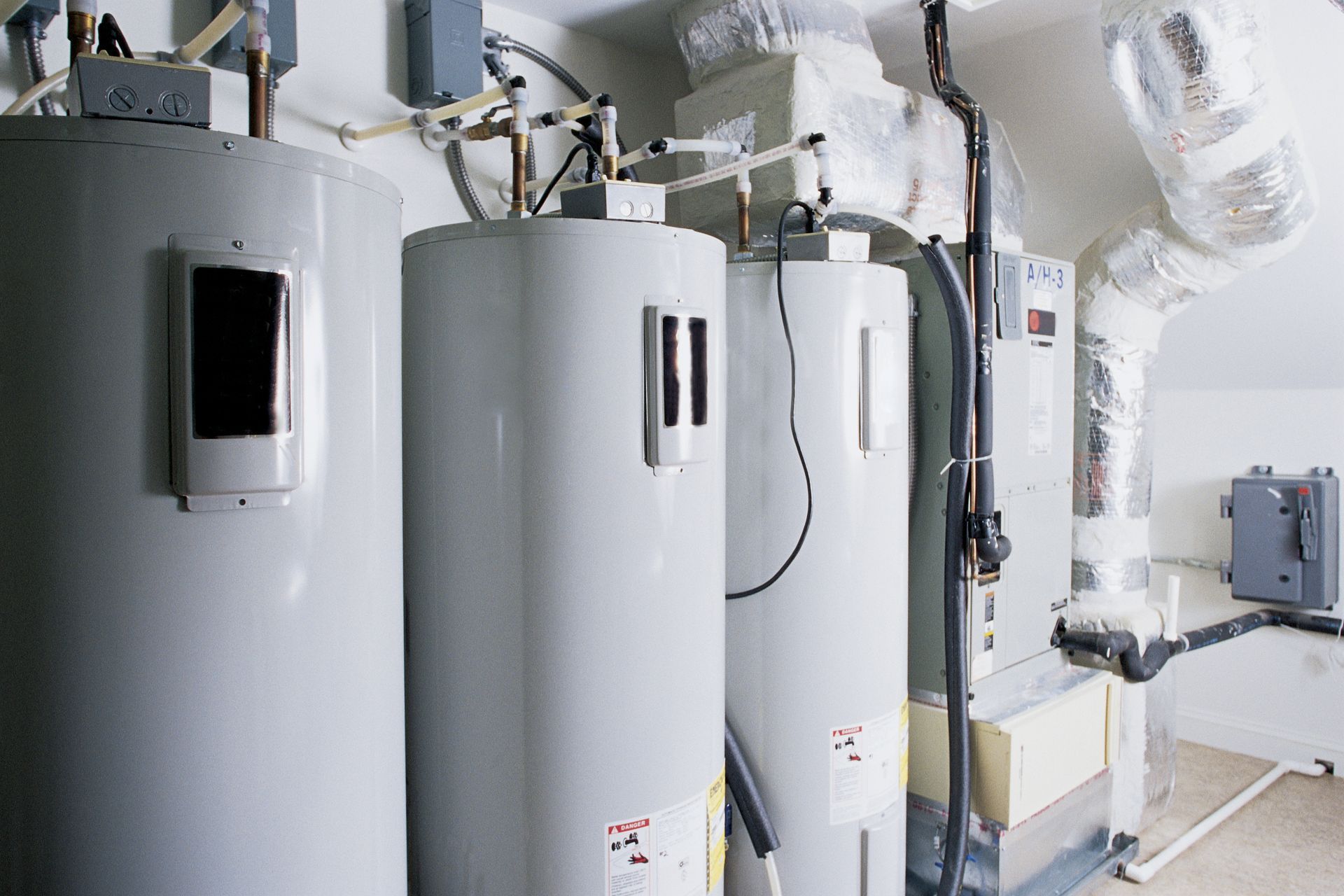
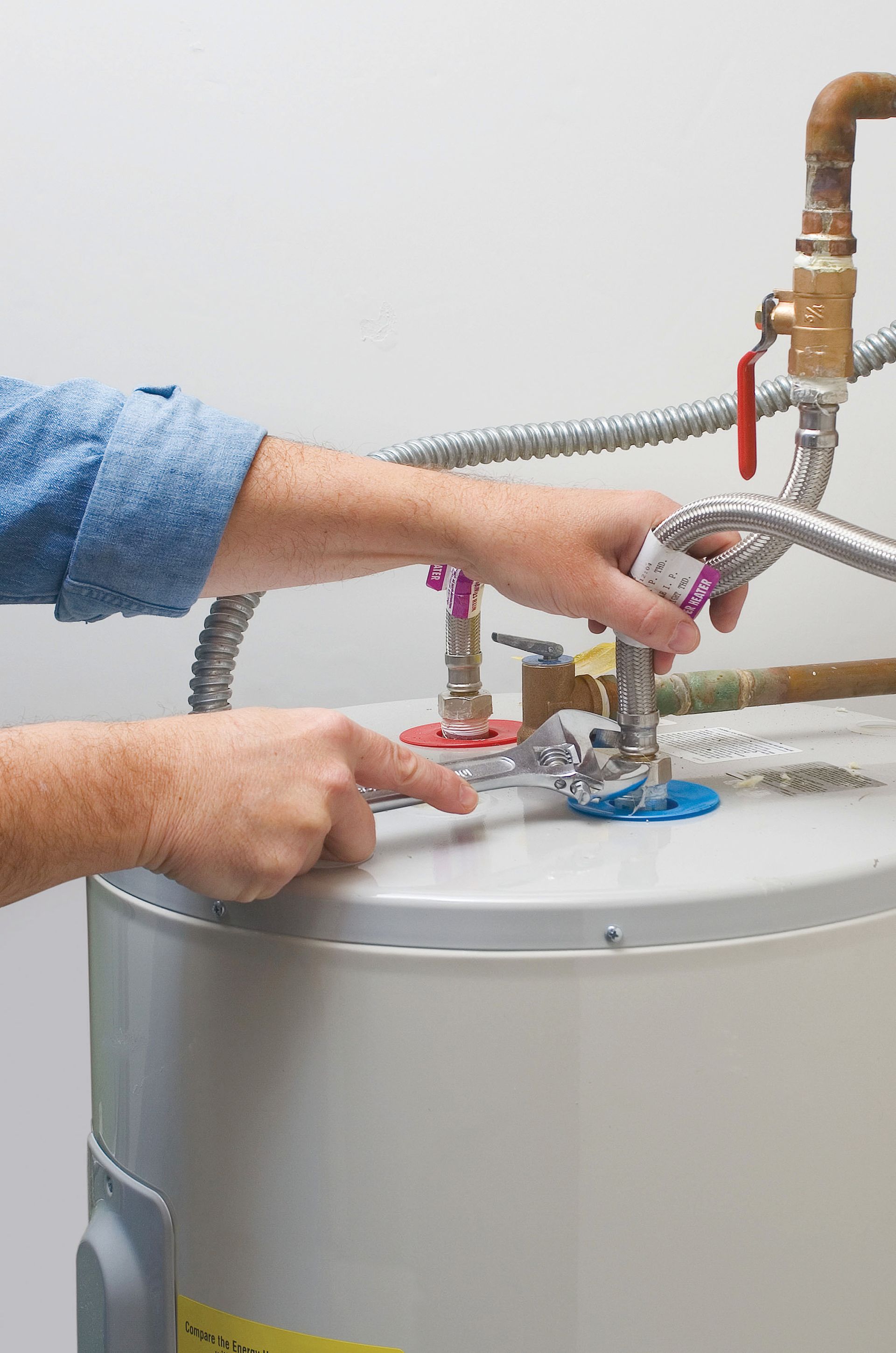
Maintaining a comfortable home environment relies heavily on the consistent performance of essential appliances, with the water heater being among the most vital. We often take for granted the luxury of hot water for bathing, cleaning, and cooking until the moment the system fails. When the steady flow of warm water is interrupted, it can throw an entire household into a state of frustration and discomfort. This is the moment when many homeowners find themselves standing in front of their utility closet, wondering if the unit simply needs a minor fix or if it is time to invest in a completely new system. Determining the best course of action requires a careful look at several factors that influence the longevity and performance of your appliance. Choosing between a quick fix and a total overhaul is a significant decision that impacts both your immediate comfort and your long-term household budget. When the hot water stops flowing, finding a reliable water heater repair service is the first step in assessing whether your current unit still has life left in its tank or if the time has come to say goodbye to the old model.
Understanding the Age of Your Unit
The passage of time is one of the most significant factors in the life of any mechanical system. Most water heaters are designed to operate effectively for a specific duration, after which the internal components begin to degrade due to constant exposure to heat and moisture. While a well-maintained unit can serve a household for many years, there comes a point where the physical integrity of the tank and the heating elements simply cannot be restored to their original state. A professional water heater repair service can help determine if the age of the unit makes it a candidate for replacement by examining signs of wear that are not always visible to the untrained eye. Metal fatigue is a common issue that occurs as the tank expands and contracts during the heating process. If your system has been in operation for a long duration, the likelihood of a major failure increases significantly. It is often more cost-effective to replace an aging unit before it fails completely, as a sudden tank rupture can lead to extensive water damage in the home. Homeowners should look for the manufacturer label to determine the date of production, as this information provides a baseline for making an informed decision about the future of the appliance.
Evaluating the Frequency of Repairs
Consistency is key when it comes to home maintenance, but there is a distinct difference between routine upkeep and a never-ending cycle of mechanical failures. If you find yourself calling for a water heater repair service every few months, it might be time to move on from your current unit. Frequent breakdowns are often a symptom of a systemic issue within the appliance rather than a series of unrelated problems. For instance, if the thermostat fails shortly after the heating element was replaced, it suggests that the internal wiring or the overall structure is nearing the end of its functional life. Relying on constant patches can also lead to a lack of confidence in your home systems, as you never know when the next cold shower might occur. Overall, a system that requires constant attention is a system that is telling you it is ready to be retired.
Analyzing the Efficiency of Your System
Modern technology has made great strides in the realm of energy efficiency, which is a major consideration for any modern household looking to manage utility costs. Older water heaters often consume significantly more energy than their contemporary counterparts because of outdated insulation and less effective heating methods. Rising utility bills are a sign that you might need a water heater repair service to check for efficiency issues, such as a thick layer of sediment sitting at the bottom of the tank. This sediment acts as a barrier between the heating element and the water, forcing the system to run for longer periods to reach the desired temperature. This added strain not only increases your monthly expenses but also accelerates the wear and tear on the unit. Even if a repair can fix a specific part, it cannot upgrade the overall energy rating of an older model. In many cases, the monthly savings generated by a new, high-efficiency system can eventually offset the initial cost of the replacement. Furthermore, newer models often come with better standby heat loss ratings, meaning they retain warmth much better than older versions. If you notice that your energy consumption is climbing despite your usage habits remaining the same, it is a strong indicator that your water heating system is no longer performing at an acceptable level of efficiency.
Assessing the Visible Condition of the Tank
A physical inspection of the water heater can reveal a wealth of information regarding its health and safety. Homeowners should regularly check the exterior of the tank for signs of corrosion, rust, or moisture. While some minor surface rust might be manageable, deep pitting or rust near the seams and valves is a major red flag. These spots indicate that the metal is thinning and could potentially lead to a leak. Leaking tanks often require more than just a standard water heater repair service can provide, as a breach in the main vessel is generally considered a terminal issue. Water pooling around the base of the unit is a clear sign that something is wrong, and it should never be ignored. Even a small drip can lead to mold growth, floor damage, and a sudden catastrophic release of many gallons of water. In addition to leaks, you should listen for unusual noises coming from the tank during a heating cycle. Popping or banging sounds are typically caused by mineral deposits that have hardened over time. When these deposits are tossed around by boiling water, they can damage the internal lining of the tank. If the physical structure of the unit is compromised, no amount of component replacement will ensure the long-term safety of your home, making a full replacement the most logical and secure path forward.
Considering the Quality of Your Local Water
The chemical composition of the water entering your home plays a massive role in how long your appliances will last. Many regions suffer from high levels of mineral content, which can be incredibly hard on plumbing systems. Hard water issues are often identified when you hire a water heater repair service to flush the tank and discover an excessive amount of calcium and magnesium buildup. According to Fortune Business Insights, hard water can be found in around 90% of American homes, which can cause scaling in pipes and appliances, a buildup that forces appliances like water heaters to utilize more energy. This scaling not only reduces the space available for water but also creates a corrosive environment that eats away at the internal components. Many homeowners rely on a water heater repair service to mitigate the effects of mineral deposits by replacing anode rods or performing deep cleanses of the system. However, if the water quality is particularly poor and no filtration system is in place, the damage can occur much faster than anticipated. Over time, the scale becomes so thick that it becomes impossible to remove without damaging the unit further. Understanding the impact of your local water supply is essential when deciding if your heater can be saved. If the internal damage from mineral accumulation is too severe, the best way to ensure reliable hot water is to install a new unit and perhaps consider a water softening solution to protect the new investment from the same fate.
For those who are currently struggling with inconsistent temperatures or noisy tanks, seeking professional help is the best way to regain peace of mind. JPI Plumbing & Heating Inc is dedicated to helping homeowners navigate these tough decisions with expert advice and high-quality solutions. Call our team today to learn more about our comprehensive water heater repair service and how we can help you keep the hot water flowing in your home for years to come.