November 12, 2026
Homeowners rely on their plumbing systems every day, but not everyone understands how to maintain them properly. Over time, misconceptions about household plumbing can lead to unnecessary expenses, preventable damage, and repairs that could have been avoided with the right information. Even seemingly harmless habits can affect the performance and longevity of pipes, fixtures, and appliances.
Plumbing myths can also influence how homeowners respond when something goes wrong. Some may attempt repairs rather than calling residential plumbers without understanding the cause of the problem, while others might overlook warning signs because they believe certain issues are harmless.
Understanding how residential plumbing systems work makes it easier to recognize potential problems and make informed maintenance decisions. Unfortunately, advice passed between homeowners or found through unreliable sources can sometimes do more harm than good. Here are three common plumbing myths that residential plumbers can help homeowners understand and avoid.
Myth 1: Small Plumbing Leaks Are Nothing to Worry About
Why Minor Leaks Can Become Major Problems
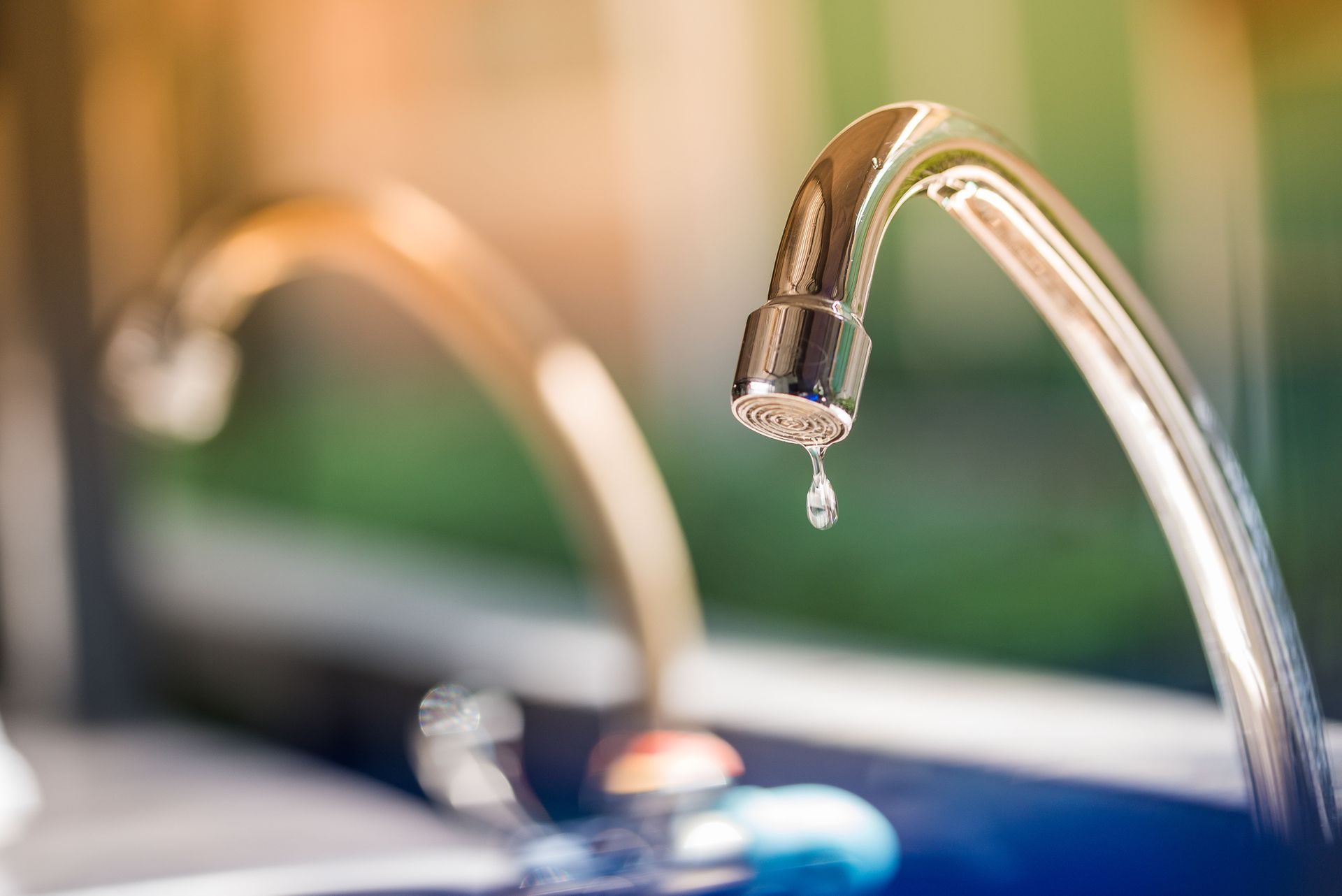
One common misconception is that a dripping faucet or small pipe leak does not require immediate attention. Since these problems may not interfere with daily activities, homeowners sometimes postpone repairs until the situation becomes more noticeable. However, even minor leaks can indicate underlying plumbing problems that deserve attention.
A leaking pipe can gradually damage surrounding walls, flooring, cabinets, and other building materials. Continued moisture exposure can also encourage mold growth and create conditions that affect indoor air quality. According to This Old House, water intrusion caused by storms, burst pipes, and sewage backups can result in substantial mold growth within 24 to 48 hours when the affected areas are not addressed promptly. This demonstrates why homeowners should take unwanted moisture seriously, even when the source initially appears manageable.
The Importance of Addressing Leaks Early
Another reason to address small leaks quickly is that they can contribute to unnecessary water waste. A dripping faucet may seem insignificant, but continuous dripping can add up over time. Leaking supply lines and fixtures can also increase household water consumption without providing any benefit. Having residential plumbers inspect these problems helps homeowners identify the source and determine the appropriate repair before additional damage occurs.
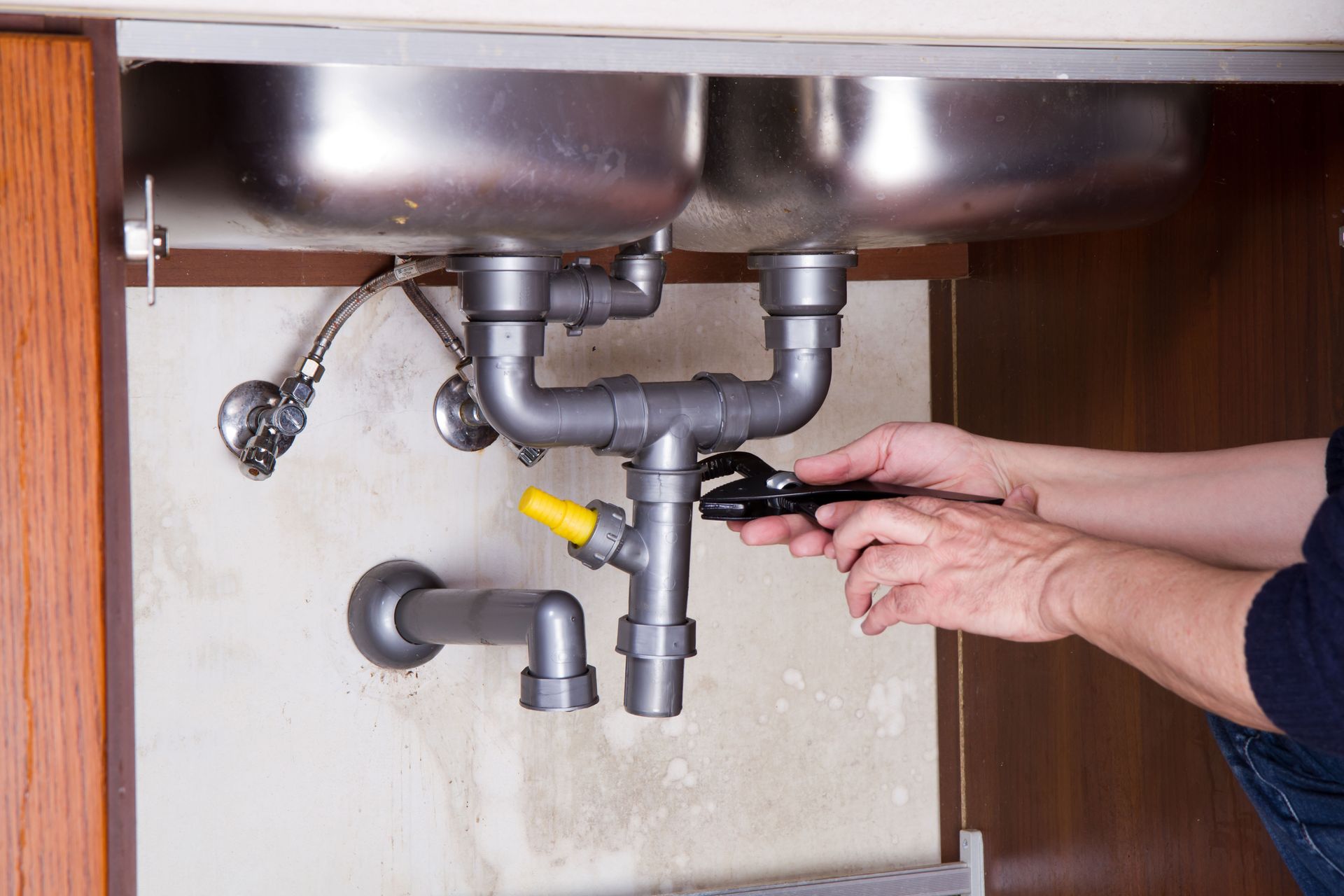
Professional leak detection can also uncover problems that are not immediately visible. Water may travel behind walls, beneath flooring, or through other concealed spaces before becoming noticeable. Experienced technicians can evaluate the affected plumbing components, locate the source of the moisture, and recommend appropriate repairs. Prompt attention helps protect household materials, limit water waste, and reduce the likelihood of more extensive restoration work.
Myth 2: Anything Labeled Flushable Can Go Down the Toilet
Understanding What Toilets Can Actually Handle
Many homeowners assume that products labeled flushable are safe to dispose of through their toilets. However, this label does not necessarily mean an item will break down quickly enough to move through household plumbing without causing problems. Toilet paper is specifically designed to disintegrate in water, while many other products can retain their structure and contribute to blockages.
Items such as wipes, paper towels, cotton swabs, feminine hygiene products, and dental floss should not be flushed. Even products marketed as flushable wipes can collect inside pipes, combine with other debris, and create stubborn obstructions. These materials may also accumulate in sewer lines, restricting wastewater flow and eventually causing backups. Homeowners who regularly flush inappropriate materials may experience recurring clogs that require professional attention.
How Improper Disposal Affects Household Plumbing
Flushing unsuitable materials can create problems throughout a home's drainage system. While some obstructions develop near the toilet, others form farther along the drain line or inside the main sewer connection. These blockages may cause toilets to drain slowly, produce gurgling sounds, or push wastewater back into tubs and showers. Recognizing these warning signs early can help prevent unsanitary conditions and more complicated plumbing repairs.
Residential plumbers can investigate recurring toilet and sewer problems to determine whether foreign materials are contributing to the obstruction. Depending on the severity and location of the blockage, solutions may include drain cleaning, hydro jetting, or a sewer camera inspection. Camera inspections allow technicians to examine the interior of pipes and identify obstructions, cracks, and other concerns without unnecessary excavation. To prevent these problems, homeowners should dispose of personal hygiene products, wipes, and other unsuitable materials in a wastebasket rather than flushing them.
Myth 3: Chemical Drain Cleaners Are the Best Solution for Clogged Drains
Why Store-Bought Drain Cleaners Are Not Always Effective
When a sink or shower stops draining properly, reaching for a chemical drain cleaner may seem like the easiest solution. These products are widely available and often marketed as quick fixes for household clogs. However, they do not necessarily remove the underlying cause of a blockage, particularly when the obstruction consists of accumulated grease, hair, soap residue, or foreign objects.
Chemical cleaners may temporarily improve drainage without completely clearing the affected pipe. Some formulations can also damage certain plumbing materials when used improperly or repeatedly. Older pipes and vulnerable connections may be particularly susceptible to deterioration from harsh chemicals. Additionally, chemical residues can create safety concerns during subsequent plumbing work, especially when different cleaning products are combined or used without following manufacturer instructions.
Better Ways to Resolve Persistent Drain Problems
A more effective approach involves identifying what is causing the blockage and selecting a suitable cleaning method. For example, a simple obstruction near a sink drain may respond to mechanical removal, while a deeper blockage could require specialized equipment. Professional drain cleaning addresses accumulated debris more thoroughly and helps restore normal wastewater flow without relying on repeated applications of chemical products.
Experienced residential plumbers can evaluate persistent drainage problems and determine whether the issue involves an isolated fixture, a branch drain, or the main sewer line. Depending on their findings, they may recommend mechanical drain cleaning, hydro jetting, or video camera inspections. Hydro jetting uses pressurized water to remove accumulated grease, sediment, and other debris from pipe interiors. Video inspections provide additional insight into the condition of the plumbing system, helping technicians distinguish between ordinary clogs and more serious problems such as damaged or deteriorating pipes.
Homeowners can also reduce the likelihood of recurring clogs through everyday preventive habits. Installing drain screens, disposing of cooking grease properly, and keeping hair and other debris out of bathroom drains can help maintain consistent drainage. Routine maintenance is another useful way to identify developing problems before they interfere with household activities. When slow drains continue despite basic preventive measures, professional evaluation can help prevent the situation from becoming a more disruptive repair.
Plumbing misconceptions can encourage habits that contribute to water damage, clogged drains, and unnecessary repair expenses. Understanding the risks associated with neglected leaks, improper toilet disposal, and chemical drain cleaners helps homeowners make better decisions about maintaining their systems. Regular inspections, appropriate maintenance practices, and timely repairs can also help extend the service life of household plumbing components.
When an issue requires professional attention, residential plumbers can provide accurate diagnoses and lasting repair solutions. Working with licensed and insured professionals helps ensure that plumbing concerns are handled according to applicable standards and with appropriate care. Whether addressing an unexpected leak, investigating recurring clogs, or scheduling preventative maintenance, professional plumbing assistance can help keep a home's water supply and drainage systems functioning properly.
Contact our experienced residential plumbers at JPI Plumbing & Heating Inc for dependable repairs, maintenance, and plumbing solutions!