October 12, 2026
Water damage causes serious harm to properties when left unaddressed. A sudden pipe rupture or hidden drip can weaken building materials, ruin belongings, and create high repair bills. Taking quick action keeps small plumbing troubles from turning into major property disasters.
Property owners often face hidden risks under floors and behind walls. Moisture builds up quietly without showing obvious signs. Taking a proactive approach to plumbing care helps you avoid costly surprises and maintain a safe living space. Qualified plumbers know how to spot subtle issues before they turn into major headaches. Understanding how professional care protects your property helps you take appropriate steps when problems start.
Identifying Early Plumbing Issues
Catching minor plumbing troubles early protects your home from moisture harm. Professional plumbers evaluate system components to spot potential failure points quickly. Watching for warning signs allows property owners to request assistance right away.
Spotting Leaks and Drips
Small drips under sinks cause harm over time. According to research from Simpro, household leaks waste nearly 900 billion gallons of water annually nationwide, which makes finding drips crucial for limiting damage.
Recognizing Higher Water Bills
An unexpected jump in your water bill points to a hidden leak. Water running through broken supply lines adds up quickly. A thorough inspection locates high usage sources promptly.
Detecting Water Pressure Changes
Changes in water pressure signal deeper issues within supply lines. Low pressure points to blockages or leaks. High pressure strains pipe joints, raising the risk of line bursts.
Conducting Regular Inspections
Systematic checks catch wear and tear before system components fail. Skilled plumbers examine every part of your system during routine visits. Regular evaluations ensure that your home remains dry and functional.
Scheduling Routine Check-Ups
Annual checks ensure every part of your plumbing system works properly. A thorough assessment covers supply lines, drain pipes, and fixtures. Catching small issues early prevents emergency repairs.
Inspecting Appliance Lines
Washing machines and dishwashers rely on flexible supply hoses that wear out over time. Rubber lines crack or loosen after years of use. Checking lines regularly keeps appliances safe.
Checking Water Heaters
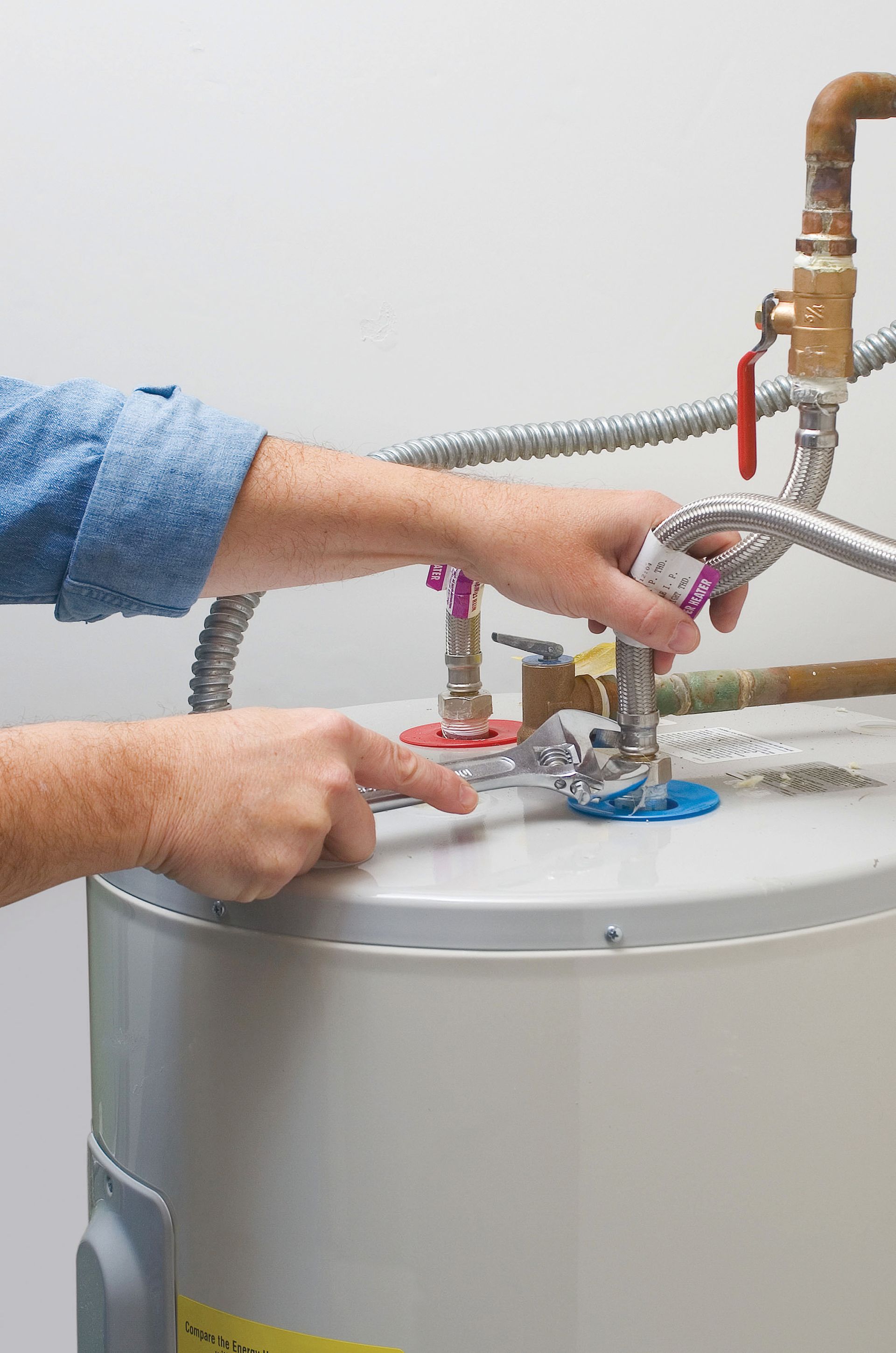
Water heaters require steady upkeep to remain safe and efficient. Mineral buildup inside the tank causes overheating or shell corrosion. Regular maintenance ensures valves function properly, avoiding tank ruptures.
Performing Timely Repairs
Taking care of pipe issues right when they appear stops damage from spreading across your home. Licensed plumbers provide fast repairs that keep water flowing where it belongs. Quick action protects floors.
Fixing Leaks Promptly
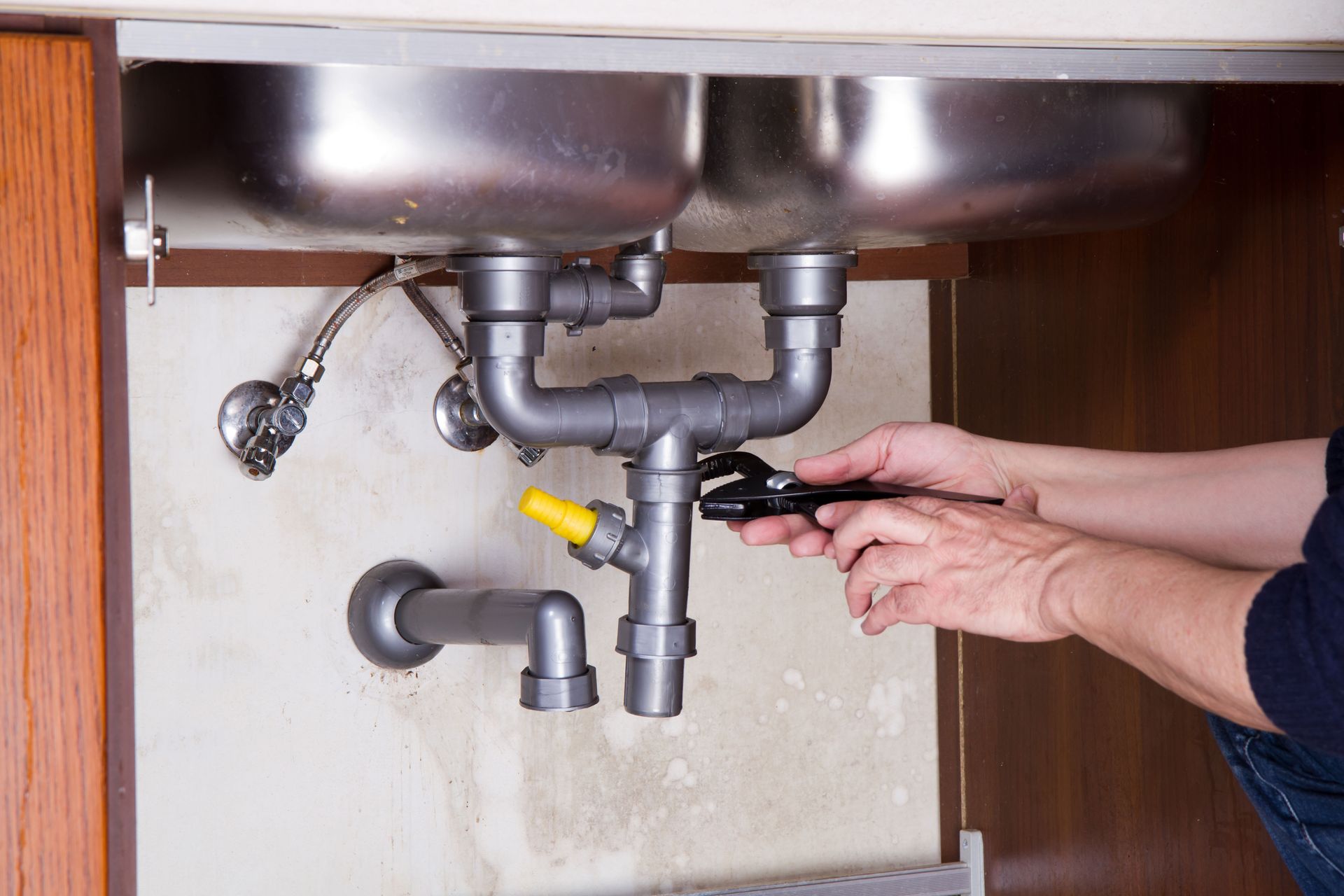
Even a slow drip ruins cabinetry and subflooring if left unattended. Prompt repair work stops moisture from seeping into surrounding materials. Immediate attention keeps repair costs low.
Clearing Pipe Clogs
Stubborn clogs in main drain lines cause waste to back up into sinks. Professional drain clearing removes blockages safely without damaging pipe walls. Clear drains allow wastewater to flow properly.
Repairing Dripping Faucets
Dripping faucets waste clean water and put unnecessary wear on fixture valves. Replacing worn washers or internal cartridges stops annoying drips quickly. Fixing leaky faucets reduces water waste.
Fixing Sewer Line Problems
Sewer backups create severe sanitation hazards and extensive property damage. Repairing damaged sewer pipes restores proper waste disposal and keeps harmful material away. Prompt repairs keep waste systems running.
Adjusting Water Pressure
Incorrect water pressure places continuous stress on household plumbing. Lowering excessive pressure protects delicate valve seals and prevents line bursts. Proper pressure adjustment helps fixtures last longer.
Installing Preventive Devices
Adding protective equipment offers extra defense against unexpected water disasters. Experienced plumbers install safeguards to protect vulnerable areas of your home. These mechanisms control water flow automatically during equipment failures.
Mounting Leak Alarms
Battery-powered leak detectors alert homeowners to water presence in vulnerable areas. Placing devices near water heaters provides early warning of pooling moisture. Early alerts let you turn off supply valves.
Fitting Automatic Shut-Off Valves
Automatic shut-off valves stop water flow immediately when unusual line pressure occurs. If a pipe breaks while you are away, safety valves shut off water automatically, protecting unattended properties.
Installing Sump Pumps
Basements and lower levels benefit greatly from reliable sump pump equipment. These units pump collected groundwater safely away from foundation walls during heavy rainstorms, protecting lower living spaces.
Adding Backflow Preventers
Backflow prevention assemblies stop dirty water from reversing direction into clean drinking lines. Mechanical valves keep municipal water supplies safe from cross-contamination, maintaining clean drinking water throughout your building.
Placing Pressure Regulators
Pressure regulators balance incoming water force from municipal supply lines. Mounting a regulator keeps water pressure within safe residential limits, protecting internal plumbing from pressure spikes and extending fixture life.
Offering Helpful Prevention Advice
Learning how to manage everyday plumbing care helps property owners prevent unnecessary problems. Knowledgeable plumbers share practical advice to help property owners avoid plumbing headaches. Simple habits go a long way toward protecting structures.
Sharing Basic Maintenance Tips
Knowing how to care for fixtures prevents common household plumbing troubles. Practices such as avoiding chemical drain cleaners protect pipe interiors. Property owners benefit greatly from basic guidance from experienced technicians.
Recommending Pipe Insulation Methods
Insulating exposed water lines keeps heat inside hot water pipes and prevents cold water condensation. Foam sleeves protect lines in unheated areas during cold seasons, keeping pipes performing efficiently.
Encouraging Water Conservation
Installing low-flow fixture aerators helps reduce overall household water consumption without sacrificing pressure. Using water wisely reduces strain on drainage systems and septic tanks, keeping utility costs manageable month after month.
Managing Home Drainage
Keeping gutters and downspouts clear keeps rainwater away from building foundations. Directing roof runoff away from walls prevents water from pooling near basement spaces, protecting foundational walls from moisture.
Working With Other Service Professionals
Solving complex water issues sometimes requires help from various trades. Local plumbers work alongside other home service contractors during large projects to deliver complete solutions. Teamwork ensures that every aspect of property repair receives proper attention.
Assisting Restoration Teams
When serious water intrusion occurs, coordinating with cleanup specialists speeds up recovery. Technical experts fix structural leaks while restoration teams dry out wet floors, minimizing property downtime and preventing mold growth.
Helping With Insurance Needs
Dealing with insurance claims requires accurate descriptions of damage causes. Technical professionals provide clear reports detailing leak origins and repair steps for policy adjusters, helping property owners complete claims without delays.
Consulting Structural Experts
Major pipe failures near foundation walls can impact building stability over time. Consulting with structural specialists ensures that utility work does not compromise load-bearing walls, guaranteeing that plumbing systems and frames remain secure.
Coordinating With Heating Technicians
Hydronic heating systems rely on water piping to carry warmth through a home. Coordinating plumbing and heating maintenance ensures boiler units operate safely, keeping home heating systems reliable throughout cold weather.
Supporting Renovation Projects
Remodeling kitchens or bathrooms requires careful planning for new water lines and drain locations. Working alongside building contractors ensures new fixtures meet local building codes, making home improvements run smoothly from start to finish.
Taking care of your plumbing system is one of the most effective ways to protect your property investment. Prompt attention to leaks, regular system checks, and timely fixture repairs help maintain a safe building environment. Protecting your home from hidden water issues keeps your living space secure.
If you want to keep your home or business safe from water damage, contact JPI Plumbing & Heating Inc today.