July 8, 2026
The role of residential plumbers is essential for maintaining a safe and functional home. From installing new plumbing systems to emergency repairs, residential plumbers provide a wide range of services that are crucial for any homeowner. Understanding the scope of their services helps homeowners appreciate their vital role in home maintenance. By exploring what to expect from residential plumbers, homeowners can be better prepared to manage any plumbing needs that arise. This article will delve into the qualifications, services, tools, costs, and other essential aspects of hiring residential plumbers.
Essential Residential Plumbing Services
Install Plumbing Systems
Residential plumbers handle the installation of a wide range of plumbing systems and fixtures. This includes sinks, toilets, faucets, showers, tubs, water heaters, and piping systems. Installation work requires precise connections and proper system setup to ensure long-term functionality and prevent leaks or performance issues. These services are commonly used during home renovations, system upgrades, or new construction projects. In many cases, residential plumbers are called in to ensure systems are installed correctly from the start.
Maintain Plumbing Systems
Routine maintenance plays an important role in preserving the performance of residential plumbing systems. Residential plumbers provide inspections, drain cleaning, leak checks, and water pressure evaluations to help identify potential issues early. Regular maintenance helps keep systems operating efficiently and reduces the likelihood of unexpected plumbing problems. This ongoing care also helps extend the lifespan of essential home plumbing components.
Qualified Residential Plumbing Professionals
Develop Industry Experience and Training
Residential plumbers develop their skills through hands-on experience working with a wide range of plumbing systems. Over time, residential plumbers build knowledge in installation, repair, and system diagnostics, allowing them to efficiently identify and resolve plumbing issues in residential environments. This practical experience is essential for handling both routine and complex plumbing needs. It also helps ensure consistent service quality across different types of plumbing systems.
According to Consumer Affairs, plumbers, pipefitters and steamfitters typically learn the trade through four- or five-year apprenticeship programs (receiving 2,000 hours of paid on-the-job training annually) or in vocational-technical school programs.
Follow Professional Standards and Work Practices
Residential plumbers typically follow local codes and industry standards when performing installation and repair work. These guidelines help ensure that plumbing systems are installed and serviced correctly and continue to function safely within residential properties. Adhering to these standards also helps maintain consistency across different types of plumbing projects. This structure supports safe and reliable system performance over time.
Core Residential Plumbing Services
Detect Leaks and Repair Systems
Leak detection and repair services help identify and resolve water leaks in residential plumbing systems. Residential plumbers use diagnostic methods to locate leaks in visible and hidden areas, then complete the necessary repairs to restore proper system function and prevent water damage. Early detection helps reduce long-term repair costs and property damage. These services are essential for maintaining system integrity.
Clear Drain Systems
Drain cleaning services remove buildup and blockages that restrict water flow in sinks, tubs, toilets, and main drain lines. Residential plumbers use specialized equipment to clear debris and restore proper drainage throughout the plumbing system. This process helps prevent backups and slow drainage issues. Regular drain maintenance also supports overall plumbing efficiency.
Install and Repair Fixtures
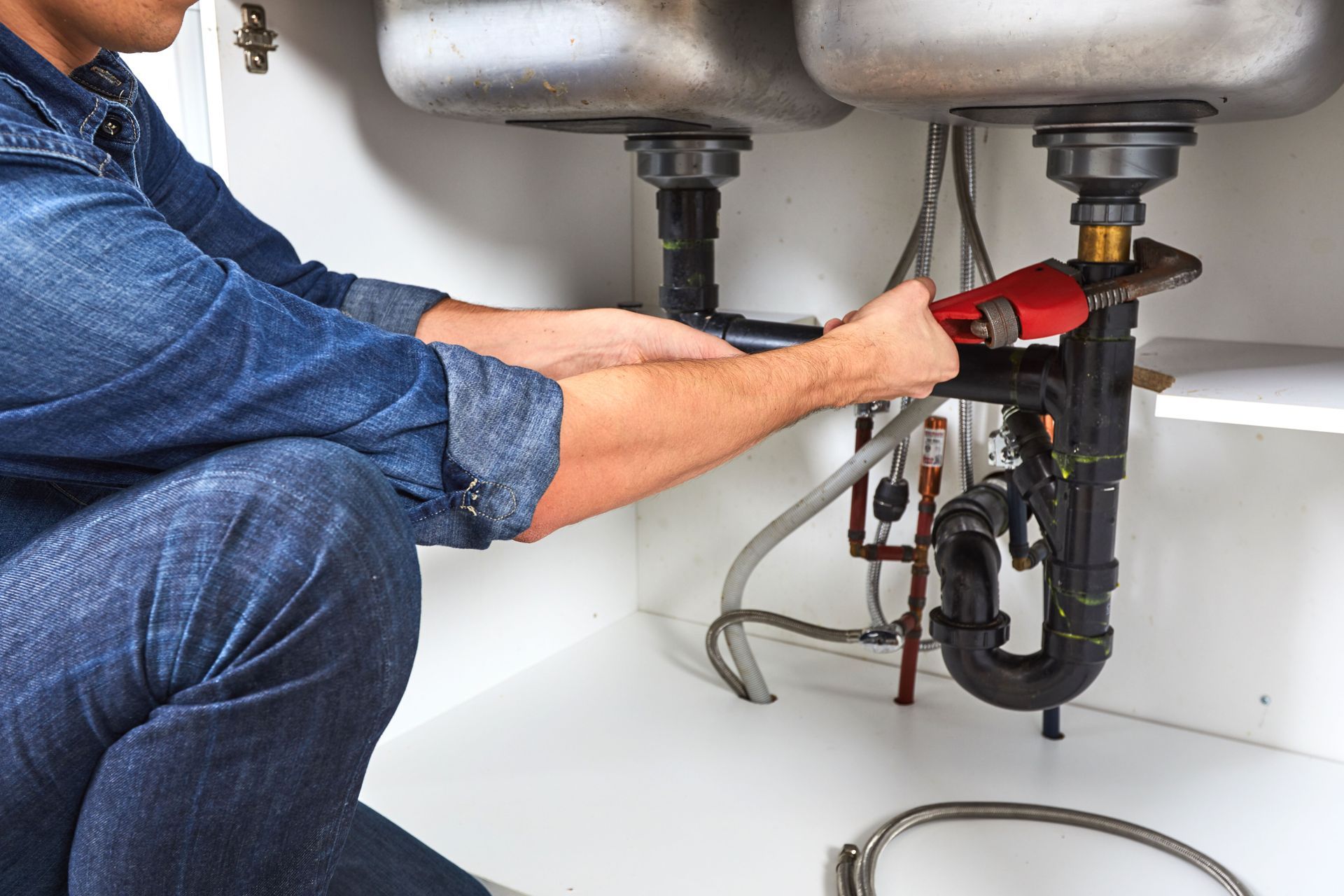
Fixture services include the installation and repair of faucets, sinks, toilets, showers, and tubs. Residential plumbers ensure proper installation to maintain secure connections and reliable performance. Repair services address leaks, wear, and malfunctioning components to restore functionality. These services are commonly used during upgrades or replacements.
Inspect Sewer and Water Lines
Advanced plumbing services include sewer and water line repair as well as diagnostic inspections. Residential plumbers may use camera inspections to identify blockages, cracks, or damage within pipes. Sewer line and water line services address issues with underground systems that affect overall plumbing performance. These services are critical for diagnosing deeper system issues accurately.
Service Water Heaters and Gas Systems
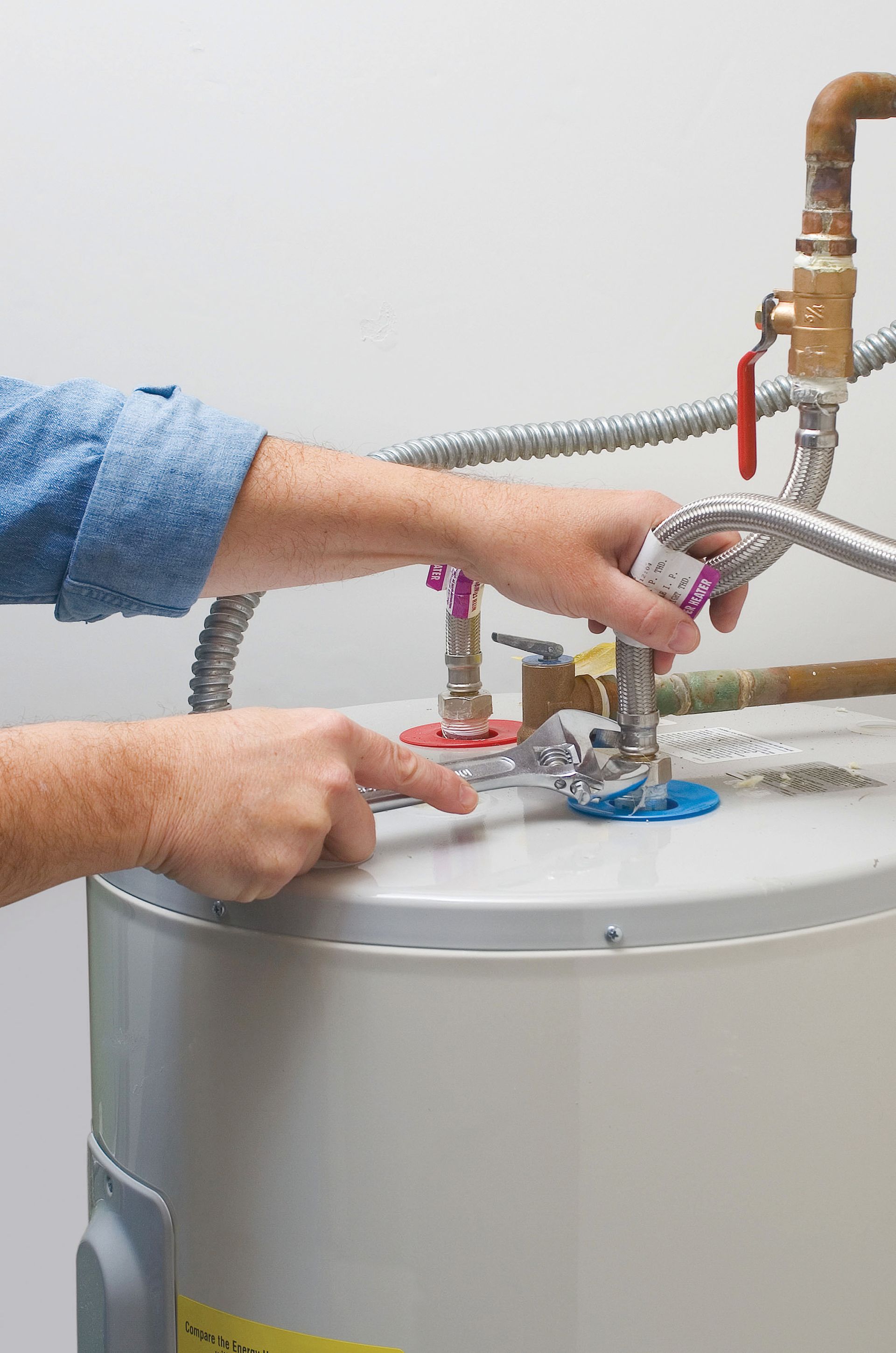
Residential plumbers also install and service water heaters, including tank and tankless systems. Gas line installation and repair services are used to support safe and reliable gas-powered appliances. These system-level services ensure consistent access to hot water and essential utilities. Proper installation helps maintain safe and efficient home operation.
Essential Plumbing Tools and Equipment
Use Hand Tools
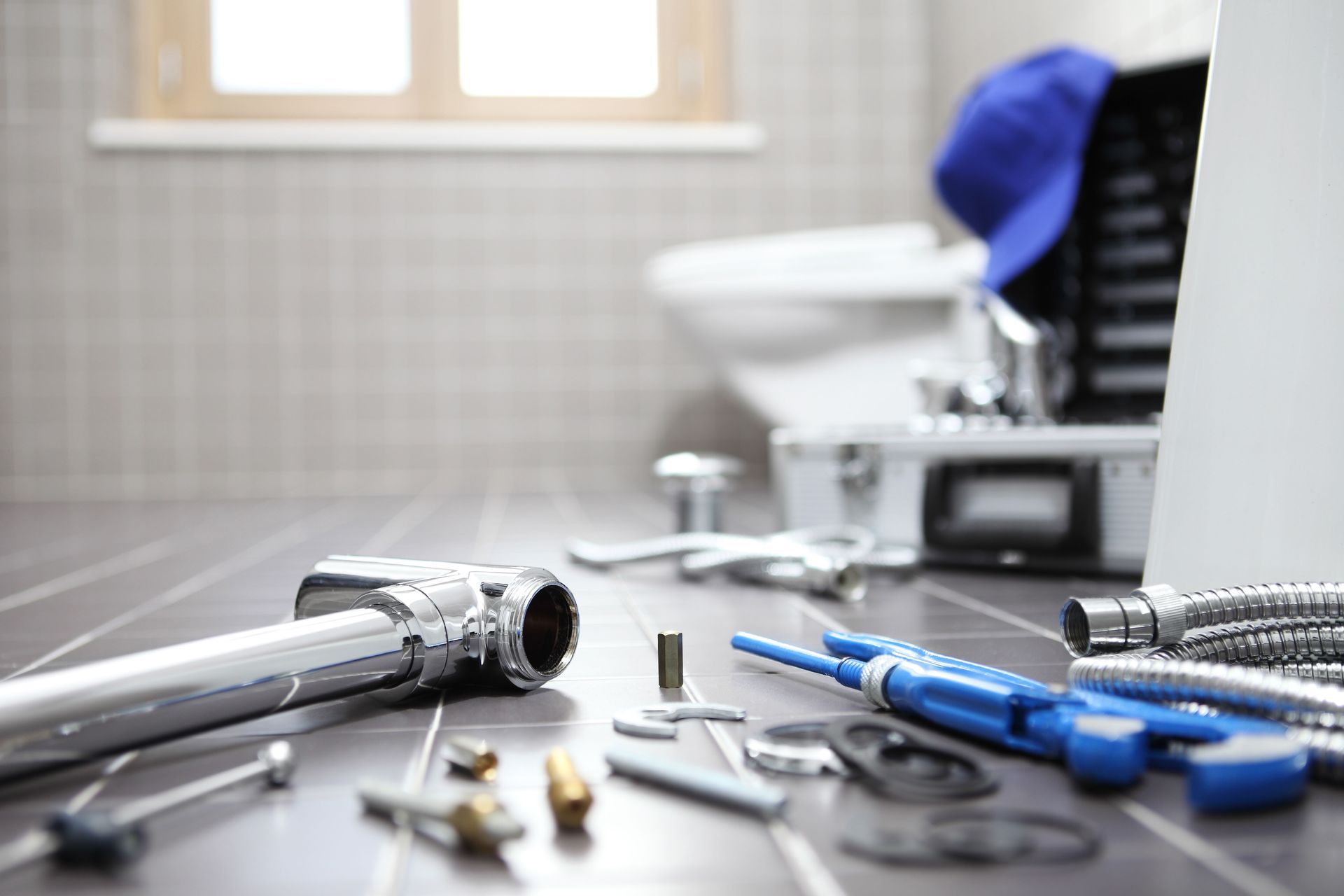
Residential plumbers use hand tools such as wrenches, pliers, and pipe cutters to complete a wide variety of plumbing tasks. These tools are essential for making precise adjustments and completing installations and repairs. Proper tool use ensures accuracy and efficiency during service work. Hand tools remain a foundational part of plumbing operations.
Operate Power Tools
Power tools assist in tasks that require additional force or efficiency, such as cutting pipes or removing tough materials. Residential plumbers rely on these tools to improve productivity and complete jobs more effectively. Power tools also help reduce manual strain during complex tasks. Their use supports faster and more efficient service delivery.
Apply Diagnostic Equipment
Diagnostic tools help residential plumbers evaluate plumbing system performance and identify issues. Equipment such as pressure gauges and inspection cameras allows for accurate detection of leaks, blockages, and system irregularities. These tools improve the accuracy of problem-solving. They also help ensure targeted and efficient repairs.
Understand Plumbing Service Costs
Compare Pricing Structures
Plumbing services may be priced using hourly rates or flat fees depending on the type of work. Hourly pricing is often used for unpredictable or complex jobs, while flat fees are more common for standard installations or routine services. Residential plumbers may determine pricing based on project scope and complexity. This helps align service structure with the type of work being performed.
Evaluate Cost Factors
Several factors influence plumbing costs, including labor, materials, job complexity, and urgency. Emergency services may involve additional considerations due to immediate response requirements. Residential plumbers typically assess these variables before providing estimates. This helps ensure pricing reflects the specific service needs.
Review Estimates and Quotes
Providing estimates and quotes helps homeowners understand the expected cost of plumbing services before work begins. Clear pricing communication supports informed decision-making and service planning. Residential plumbers use these estimates to outline the scope of work and associated costs. This helps create transparency throughout the service process.
Select Residential Plumbing Professionals
Verify Credentials
Homeowners should confirm that residential plumbers meet local requirements and follow applicable codes and standards. This helps ensure the work is completed correctly and in compliance with regulations. Verification also supports confidence in service quality. It is an important step in the selection process.
Read Reviews and Testimonials
Customer reviews and testimonials provide insight into service quality and customer experience. Reviewing feedback can help homeowners better understand a plumber’s consistency and professionalism. Residential plumbers with positive feedback often demonstrate reliable service delivery. This information can support more informed hiring decisions.
Evaluate Communication Skills
Clear communication is important when working with residential plumbers. A professional should be able to explain issues, outline service options, and respond to questions in a straightforward manner. Good communication helps ensure expectations are clearly understood. It also supports a smoother service experience overall.
When hiring residential plumbers, homeowners benefit from focusing on experience, the range of services offered, and clear communication around available solutions. Having a solid understanding of what residential plumbers involve makes it easier to navigate both routine maintenance and unexpected repair needs. From fixture installation to sewer diagnostics and system repairs, selecting the right professional helps support dependable plumbing performance and overall home functionality.
To learn more about full-service residential plumbing support, JPI Plumbing & Heating Inc offers repair, installation, and diagnostic solutions designed to address both everyday needs and more complex system concerns.