June 9, 2026
Water quality plays a significant role in the comfort, safety, and efficiency of any home. Many homeowners focus on visible plumbing problems such as leaks or clogged drains, but the quality of the water flowing through pipes deserves equal attention. Poor water quality can affect everything from the taste of drinking water to the lifespan of plumbing fixtures and household appliances.
Professional plumbing services help homeowners identify and address issues that may otherwise go unnoticed. From detecting contaminants to improving water treatment systems, skilled residential plumbers contribute to healthier and more reliable water supplies. Their expertise extends beyond repairs and installations, helping families enjoy cleaner water while protecting plumbing systems from long-term damage.
Understanding how plumbing professionals improve water quality can help homeowners make informed decisions about maintenance, upgrades, and preventive care. Investing in water quality improvements today can lead to better health, improved efficiency, and reduced repair costs in the future.
Identifying Water Quality Concerns
The first step toward improving household water quality is identifying potential issues. Many water problems are not immediately visible, making professional evaluations extremely valuable. Homeowners may notice unpleasant tastes, odors, discoloration, or mineral deposits, but determining the underlying cause often requires specialized knowledge. Residential plumbers have the experience needed to recognize warning signs that indicate water quality concerns.
They understand how plumbing systems interact with municipal water supplies and private wells. Through inspections and testing, they can identify contaminants, excessive mineral content, or plumbing-related issues affecting water quality. Early detection allows homeowners to address problems before they become more serious. By identifying concerns promptly, plumbing professionals help create a safer and healthier home environment.
Testing Water for Hidden Problems
Water testing provides a detailed understanding of what is present in a home's water supply. Even water that appears clean may contain minerals, sediment, or contaminants that affect its quality. Professional testing helps determine whether corrective measures are necessary. Residential plumbers often recommend testing when homeowners experience recurring water issues or move into older properties.
Laboratory analysis and specialized equipment can reveal concerns that would otherwise remain undetected. Testing may identify excessive hardness, high iron content, pH imbalances, or other water quality challenges. Understanding these factors allows homeowners to choose the most effective treatment solutions. Reliable testing provides valuable information that supports better decision-making. Accurate results serve as the foundation for improving household water quality.
Installing Water Filtration Systems
Water filtration systems are among the most effective tools for enhancing water quality. These systems remove unwanted particles and contaminants before water reaches faucets, appliances, and fixtures. Filtration solutions can be customized based on the specific needs of a household. Residential plumbers evaluate water conditions and recommend systems that address identified concerns.
Whole-home filtration units provide comprehensive protection by treating water at the point of entry. Under-sink filters and specialty systems offer targeted solutions for drinking water. Proper installation ensures optimal performance and long-term reliability. Filtration systems can improve taste, reduce odors, and remove impurities that affect water quality. A professionally installed filtration system offers homeowners greater confidence in the water they use every day.
Reducing Hard Water Issues
Hard water is one of the most common water quality challenges facing homeowners. Excessive mineral content can create a variety of problems throughout a plumbing system. According to Fortune Business Insights, roughly nine out of 10 homes in the U.S. experience hard water, which can lead to mineral scale accumulating inside pipes and appliances, restricting flow and increasing energy consumption.
These deposits often reduce efficiency and contribute to premature equipment wear. Residential plumbers frequently address hard water concerns by recommending water softening systems. Softeners remove excess calcium and magnesium before they circulate through the home. Reducing mineral buildup helps protect plumbing components while improving water performance. Addressing hard water can also extend the lifespan of water heaters, dishwashers, and washing machines. Effective treatment provides both immediate and long-term benefits for homeowners.
Maintaining Water Heaters Effectively
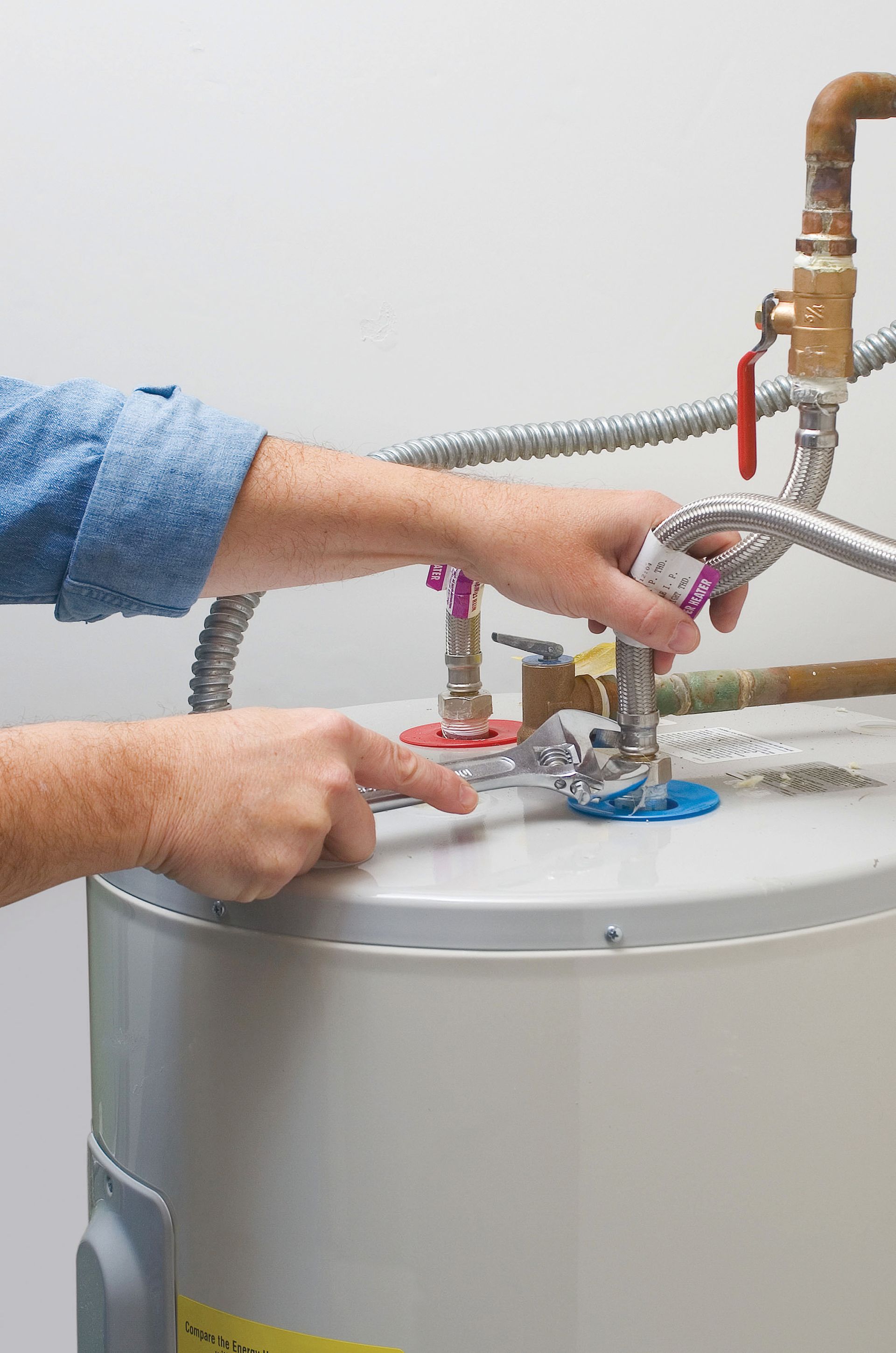
Water heaters play an important role in both comfort and water quality. Sediment accumulation inside tanks can affect performance and impact the quality of hot water delivered throughout the home. Routine maintenance helps prevent these issues from developing. Residential plumbers perform inspections and flushing services that remove sediment and mineral buildup. This maintenance improves efficiency while helping maintain cleaner water.
Water heater evaluations can also identify signs of corrosion or deterioration before significant problems occur. Timely repairs and maintenance support reliable operation and reduce the likelihood of costly breakdowns. Properly maintained equipment contributes to better water quality and improved energy efficiency. Consistent care ensures that water heating systems continue operating at their best.
Replacing Aging Plumbing Components
Older plumbing materials can have a direct impact on water quality. Aging pipes may corrode over time, introducing unwanted substances into the water supply. In some cases, outdated plumbing systems can contribute to discoloration, unpleasant tastes, or reduced water flow. Residential plumbers assess the condition of pipes and recommend replacements when necessary. Modern piping materials often provide improved durability and water quality performance.
Replacing deteriorating components helps reduce contamination risks and improve overall system reliability. Updated plumbing systems also support more consistent water pressure and flow. Investing in pipe replacement can significantly enhance both water quality and household comfort. Modern infrastructure provides long-term value and peace of mind.
Preventing Contamination Risks
Protecting water supplies from contamination requires careful attention to plumbing system design and maintenance. Backflow incidents and cross-connections can introduce pollutants into otherwise clean water. Preventive measures help reduce these risks and maintain safe water conditions. Residential plumbers install and maintain devices that prevent contaminated water from flowing back into clean supply lines.
Regular inspections help identify vulnerabilities before problems develop. Properly functioning backflow prevention equipment serves as an important safeguard for household water quality. Plumbing professionals also educate homeowners about practices that reduce contamination risks. Their expertise helps maintain a secure and dependable water supply. Preventive efforts play a critical role in protecting both health and plumbing systems.
Improving System Efficiency
Efficient plumbing systems often contribute to better water quality and overall performance. Water that moves properly through pipes is less likely to encounter conditions that encourage sediment accumulation or stagnation. System improvements can enhance both functionality and water quality. Residential plumbers evaluate existing plumbing infrastructure and identify opportunities for optimization.
Upgrades may include replacing outdated fixtures, improving water pressure regulation, or addressing flow restrictions. Improved efficiency supports consistent water delivery throughout the home. Well-functioning systems also reduce stress on plumbing components and appliances. These improvements help maintain cleaner water while supporting long-term reliability. A properly optimized system benefits homeowners in numerous ways.
Supporting Long-Term Water Quality
Maintaining high water quality requires ongoing attention and professional guidance. Even the most effective treatment systems need periodic inspections and maintenance to remain effective. Long-term care helps ensure that improvements continue delivering results for years to come. Residential plumbers provide valuable support through routine evaluations and preventive maintenance services.
They monitor system performance, identify emerging concerns, and recommend appropriate solutions. Regular maintenance helps prevent small issues from becoming larger problems. Continued professional oversight protects both water quality and plumbing investments. Homeowners who prioritize long-term care often enjoy greater efficiency and fewer unexpected repairs. Consistent attention helps preserve the safety and quality of household water supplies.
From reducing hard water problems to preventing contamination risks, professional plumbing services offer meaningful benefits that extend throughout the home. Investing in water quality improvements not only enhances daily living but also protects valuable plumbing components and appliances. By working with experienced professionals, homeowners can enjoy greater confidence in the water they use every day.
If you're ready to improve your home's water quality and protect your plumbing system for years to come, contact JPI Plumbing & Heating Inc. Our knowledgeable team provides dependable solutions tailored to your home's unique needs. Schedule a consultation with JPI Plumbing & Heating Inc today and discover how professional plumbing services can help deliver cleaner, healthier, and more efficient water throughout your home.